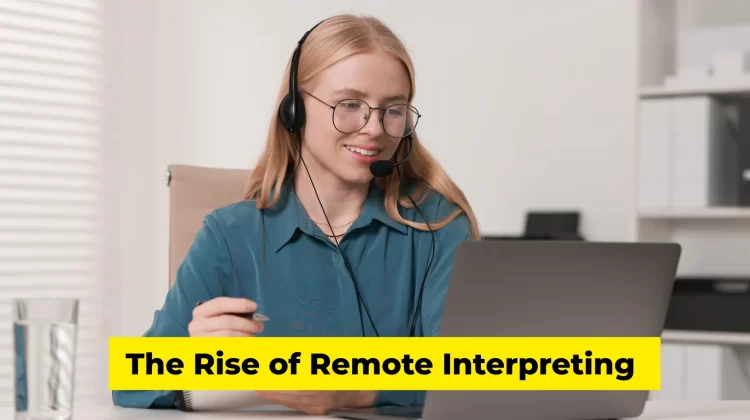
The Rise of Remote Interpreting
How 2025 Technology Opens New Career Doors
Remote interpreting has transformed from a niche service into one of the fastest growing fields in the language industry. What once felt like a temporary solution has now become a permanent and powerful part of multilingual communication. As we move deeper into 2025, remote interpreting is no longer viewed as a backup plan. It is a strategic advantage that opens real career doors for interpreters and offers organizations a smarter, more flexible way to communicate with diverse communities. The combination of human skill, better technology, and global demand is reshaping what it means to work in this profession. For many interpreters, this shift is not only exciting but full of possibility.
The language industry has experienced rapid changes in just a few years, driven by better digital tools and the global need for fast, accurate communication. Remote interpreting is now a standard option in schools, hospitals, law firms, businesses, and government agencies. People no longer question whether remote interpreting works. The question now is how to make it more efficient and how to take advantage of all the opportunities it offers.
The biggest reason for the rise of remote interpreting is simple. People and organizations have realized that communication should never stop because of geography, distance, or availability. When interpreters can connect in seconds through a secure platform, it becomes easier to provide language access everywhere, from small clinics to large corporations.
Another important factor is convenience. Clients expect fast solutions. Remote interpreting meets that need by giving organizations immediate access to qualified interpreters without waiting for in person scheduling or travel. In 2025, this speed matters more than ever.
What Makes Remote Interpreting Different Today
Remote interpreting in 2025 is far more advanced than the early versions many people experienced. The tools are more stable, the audio and video quality is significantly better, and the entire experience feels more natural. Instead of feeling like a workaround, it feels like a direct connection between people.
One major change is the shift from emergency solutions to long term, structured systems. During earlier years, many institutions adopted remote interpreting because they had no choice. Today, they choose it intentionally because it works. They invest in platforms, improve equipment, and train staff on best practices. The result is smoother communication and greater trust in the remote process.
Another difference is the variety of specialized platforms now available. Medical interpreters can use systems that integrate with electronic health records. Legal interpreters have tools that allow for secure document sharing. Educational interpreters can join parent meetings, IEP sessions, and classroom discussions with visual aids. Each field has technology designed for its unique needs, which makes remote interpreting more seamless and accurate.
Organizations now prefer remote interpreting for many reasons. It saves money, requires no travel, allows immediate access to rare language pairs, and reduces cancellations. For interpreters, this means more opportunities without the limitations of location.
The Career Boom for Interpreters
Perhaps the most exciting part of this shift is the career growth it has created. Because remote technology removes geographical barriers, interpreters now have access to clients they would never have reached in the past. A professional living in a small city can interpret for a hospital in another state, a school in a different region, or a legal firm on the other side of the country.
There are more job openings than ever before. Remote interpreting gives organizations the ability to serve multilingual communities on demand, which increases the number of assignments available. Many interpreters report steady schedules, diverse clients, and the chance to choose their preferred fields.
Remote interpreting also supports flexible work. Some professionals prefer full time hours while others want part time schedules. Some enjoy working late at night or early in the morning. Remote interpreting makes this possible. Freelancers benefit from the ability to join multiple platforms and work when they choose.
In 2025, the field is stronger than ever. Many industries that once relied only on in person services now embrace remote options. This creates a steady flow of work and a more stable income for interpreters. For new interpreters entering the field, it is one of the best times to start building a career.
How Technology Makes Remote Interpreting More Effective
Technology plays a major role in why remote interpreting is thriving. High quality audio and video tools make it easier to hear tone, understand accents, and follow complex conversations. Secure platforms keep communication protected and private, which is essential in fields like healthcare and law.
Some platforms now include built in features such as document uploads, chat tools, language pair filters, screen sharing, and role based access. These features improve accuracy and allow interpreters to manage information more easily during assignments.
Specialized tools for different sectors also improve communication. In medical settings, interpreters can follow conversations more clearly even when patients speak softly, quickly, or emotionally. Legal platforms offer time stamped recordings, privacy controls, and secure file viewing. Educational platforms allow interpreters to see visual aids so they can better support teachers and parents.
While artificial intelligence continues to grow, it serves mainly as a helper rather than a replacement. Automated tools can support scheduling or provide glossaries, but they cannot interpret tone, emotion, or cultural nuance. For this reason, human interpreters remain essential, and technology simply enhances their ability to work efficiently.
Industries That Are Expanding Remote Interpreter Hiring
Many different industries now rely on remote interpreting because it increases accessibility and reduces operational costs.
Healthcare continues to be one of the largest employers of remote interpreters. Telehealth appointments require interpreters who can manage fast paced conversations and medical terminology. Clinics and hospitals rely on remote options to cover shifts quickly and support rare languages.
Education uses remote interpreting for virtual parent teacher meetings, IEP sessions, school events, and communication with families. Schools appreciate the convenience of connecting with interpreters nationwide.
Law firms use remote interpreting for court hearings, client interviews, depositions, discovery meetings, and immigration cases. Remote options ensure confidentiality and fast access to qualified professionals.
Government agencies rely on remote interpreting to meet Title VI requirements. This ensures that services are accessible to all community members regardless of language. Remote options make it easy to connect with experienced interpreters on short notice.
Businesses with international teams also use remote interpreting to communicate across time zones and regions. This supports collaboration and ensures clear communication in global operations.
Why Remote Interpreting Opens New Doors for Professionals
Remote interpreting gives interpreters the chance to work from anywhere. This means they can continue their careers even when they move, travel, or need a more flexible lifestyle. It opens doors to global clients and eliminates the limitations of distance.
Interpreters can now specialize more easily. For example, someone who excels in medical terminology can focus on telehealth assignments, while another professional interested in legal interpreting can work with law firms across the country. Specialization increases confidence, accuracy, and professional growth.
Another benefit is the increased stability that remote interpreting provides. Many organizations schedule recurring remote appointments, which gives interpreters ongoing assignments. This consistency is valuable for building a career.
The Human Advantage: Why Remote Interpreters Are Still Essential
Despite advances in technology, human interpreters remain irreplaceable. Machines can translate words, but they cannot understand cultural nuance, tone, or emotion. They cannot support sensitive discussions or help calm a patient, a parent, or a client experiencing stress.
Human interpreters bring emotional intelligence to conversations. They recognize when someone needs clarification, reassurance, or a slower pace. They can adjust tone to match the situation and ensure communication remains respectful and accurate.
Context also matters. Many phrases carry different meanings depending on culture or situation. Only a human interpreter can fully understand these differences and choose the right interpretation.
Benefits for Organizations Partnering with VMLA
Organizations that work with VMLA have access to reliable, qualified interpreters when they need them. They benefit from quick scheduling, specialized linguists, and a team that understands legal and ethical requirements.
Remote options also make VMLA a budget friendly solution. Organizations can support multilingual communities without the cost of travel or long wait times. VMLA offers flexibility, transparency, and a wide range of languages, making it a strong partner for institutions of all sizes.
Future Predictions for Remote Interpreting in Multilingual Communities
The future of remote interpreting looks bright. Hybrid interpreting models will continue to grow, allowing organizations to combine in person and remote services based on need. Smart communication tools will continue to improve, making it even easier to connect interpreters with clients.
Demand for language services will continue rising as communities become more diverse. Human expertise will remain at the center of communication, supported by better tools and stronger systems.
Conclusion
Remote interpreting has become one of the most promising career paths in the language industry. The year 2025 represents a turning point where technology, demand, and human expertise come together to create new opportunities. Interpreters can work from anywhere, connect with clients worldwide, specialize in different fields, and enjoy greater flexibility.
Organizations benefit from faster access to interpreters, more consistent service, and budget friendly solutions. With partners like VMLA providing strong infrastructure, high quality support, and a commitment to professionalism, the future of remote interpreting is full of possibility.
If you want, I can also prepare the social media captions, email newsletter version, or a shortened version of this article.