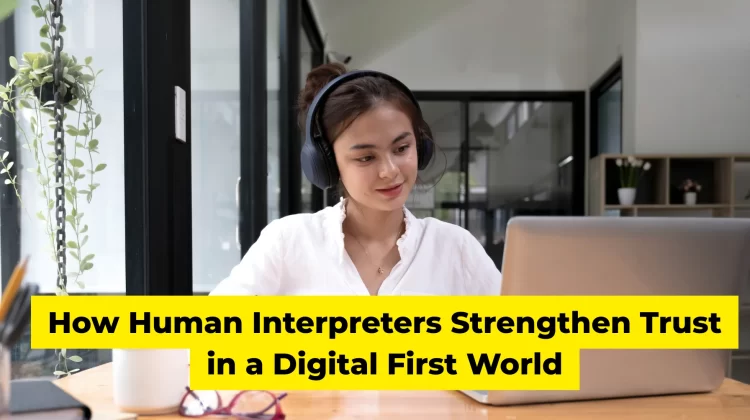
How Human Interpreters Strengthen Trust in a Digital First World
We live in a time when almost everything begins online. Meetings, negotiations, customer service, medical consultations, and even community events often take place on screens. This shift has created incredible convenience and global access, but it has also created something unexpected. It reminded us how much we depend on trust in order to communicate well.
Technology is faster and smarter than ever, and new tools appear almost every month. Even so, trust is not something that software can generate on its own. Trust requires connection, understanding, cultural awareness, and emotional sensitivity. These qualities come from human beings, not devices.
This is where human interpreters play a unique and irreplaceable role. In a digital first world, interpreters offer more than language support. They help people feel understood. They bring warmth to cold screens. They create comfort in stressful situations. They protect meaning when words are sensitive. Most of all, they help people trust one another again.
As we explore how 2025 continues to reshape communication, it becomes clear that human interpreters are one of the most valuable tools for building real relationships in a connected yet emotionally distant world.
The Digital First Reality and Its Impact on Communication
Digital first communication has changed the way people interact. Messages are shorter, response times are faster, and expectations are higher. People want clarity instantly, and miscommunication is less tolerated. At the same time, the lack of physical presence has created more misunderstandings than we expected.
In a face to face conversation, people rely on expressions, gestures, tone, and physical presence to interpret meaning. Online, many of these cues disappear. That means the margin for misunderstanding grows. When language differences are added, the risk becomes even higher.
Virtual communication also tends to feel transactional. People log into a meeting, speak quickly, take notes, and disconnect. There is less room for emotional signals and thoughtful pauses. It is easy to misread intentions or miss important nuances.
This is why human interpreters matter more than ever. They restore the human elements that technology removes. They help fill the silence that follows a confusing phrase. They slow the pace when needed. They help listeners understand not only the words but the intent behind them.
The Key Limitations of AI in High Stakes Communication
AI continues to grow more advanced, but it still struggles with many areas that matter most for real communication. Speed does not equal understanding, and automation does not equal accuracy. Several key limitations make AI unreliable in sensitive or important situations.
Lack of cultural intelligence
AI tools interpret words, not cultures. They do not understand that a phrase that sounds harmless in one country may sound rude in another. They cannot see when someone feels uncomfortable or confused. They cannot adjust tone for respect, warmth, or authority. Human interpreters do this naturally because they understand people, not only vocabulary.
Misinterpretation of tone and emotion
AI systems cannot recognize disappointment, frustration, hesitation, or humor in the way humans can. They may translate a sentence literally when the speaker intended to soften it. They may miss a change in tone that signals an emotional shift. Human interpreters listen for emotional cues and adjust their delivery to match the speaker’s intention.
The risks of literal or context blind translation
AI often translates word by word. This can cause embarrassing mistakes or damaging misunderstandings, especially in legal, medical, or business settings. Human interpreters consider the whole context. They know when to clarify, when to rephrase, and when to adjust expressions to match the intended meaning.
Difficulty with rapport building
Trust develops through human connection. People feel more comfortable opening up when a real person is present. AI cannot make someone feel safe or welcomed. It cannot build rapport, and it cannot create a supportive environment. Human interpreters excel in these areas.
Why Human Interpreters Are Still the Bridge of Trust
Human interpreters bring qualities that technology cannot duplicate. Their ability to understand human relationships is what makes communication smoother, clearer, and more respectful.
Humans understand nuance
Languages are full of nuance. One word can carry several meanings depending on tone or situation. Humans pick up on these subtleties and choose the right interpretation for the moment.
Humans detect emotions and intent
An interpreter can hear stress in someone’s voice or notice when a speaker feels nervous or unsure. This insight allows them to support communication in a more relatable and empathetic way.
Humans adapt language to the audience
Interpreters adjust complexity, formality, and tone depending on who is listening. This creates more accurate and comfortable communication.
Humans create safe spaces
In medical appointments, legal discussions, parent meetings, or business negotiations, people need to feel safe and respected. Human interpreters help create this environment.
How Human Interpreters Strengthen Relationships in a Digital Environment
Even when meetings take place through screens, interpreters help humanize the interaction.
They make virtual meetings feel more personal
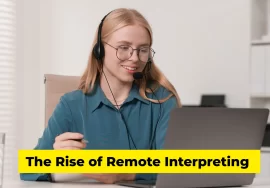
Interpreters offer warmth, clarity, and a sense of presence even within remote platforms. They help participants relax and communicate more naturally.
They support empathy during conflict or negotiation
If a conversation becomes tense or emotional, interpreters help stabilize the tone. They deliver messages in a respectful and balanced way so both sides feel heard.
They guide cross cultural understanding
Interpreters can explain cultural expectations, politely adjust phrasing, and help avoid misunderstandings that come from cultural differences.
They reduce miscommunication in hybrid and remote spaces
Remote communication leaves room for confusion. Interpreters help fill the gaps by ensuring accuracy and clarity.
The Role of Human Interpreters in High Trust Industries
Some fields cannot rely on AI alone because the stakes are too high.
Healthcare
Patients deserve compassionate and accurate communication. A human interpreter helps express symptoms clearly, delivers sensitive information respectfully, and supports patient well being.
Education
Interpreters help families understand school expectations, assessments, and important decisions about their children.
Legal services
Accuracy and confidentiality are essential in legal environments. Human interpreters protect both.
Government and public services
Community trust grows when information is delivered by trained professionals who understand cultural nuances.
Corporate and business communication
Negotiations, presentations, training sessions, and client meetings require clarity and trust that only human interpreters can provide.
The Science of Trust and Why Humans Excel at It
Research shows that people rely on tone, facial expressions, and emotional cues to determine trustworthiness. Human interpreters naturally align with these signals and reflect them in their spoken communication.
People also feel more valued when a human is present. They interpret it as a sign that the organization cares enough to invest in a real person. This emotional reassurance makes communication smoother and more successful.
Conclusion: Trust Thrives Where Humans Lead Communication
In a world shaped by rapid digital transformation, the human voice becomes more valuable, not less. Human interpreters help people feel understood, respected, and connected. They protect meaning in a way technology cannot, and they strengthen trust in every conversation.
Organizations that invest in human interpreters invest in stronger relationships, clearer communication, and a better future. VMLA is proud to support this mission and help communities communicate with confidence in 2025 and beyond.
If you need the next article outline or want help choosing the next theme for the series, I can prepare it.